

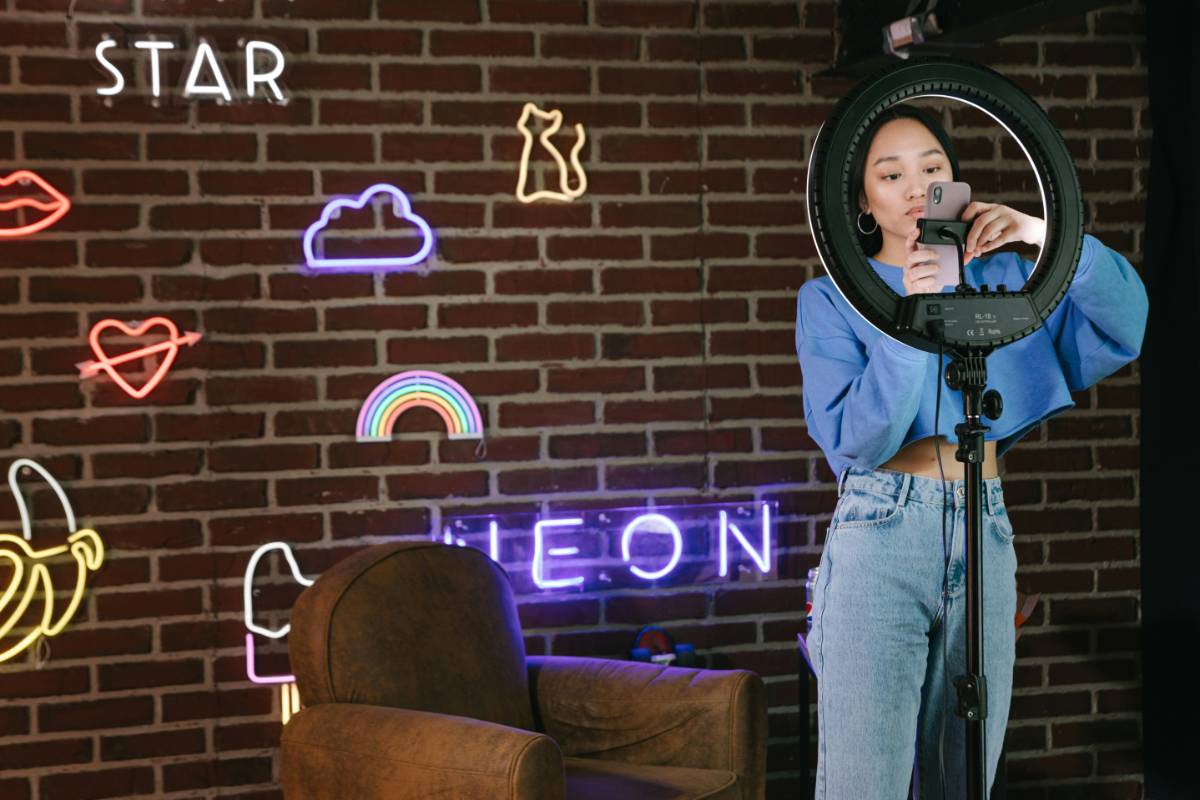
Social media has revolutionized many industries, but perhaps none more so than fashion. Platforms like Instagram, TikTok, and Pinterest have become essential tools for designers, influencers, and brands to showcase their latest collections and trends to a global audience. Here's how social media is shaping the fashion world today.

One of the biggest impacts of social media on fashion is the ability to reach a global audience instantly. Designers, brands, and influencers can showcase their latest collections to millions of people with just a few clicks. This means that a runway show in Paris or Milan can now be viewed by anyone, anywhere in the world, in real-time. Social media has democratized fashion, breaking down geographical barriers and making high fashion accessible to all.
Influencers have become central figures in the fashion industry, with many fashion brands relying on partnerships with influencers to promote their products. These collaborations allow brands to tap into the influencer's follower base and increase their reach. Influencers, in turn, shape trends by showcasing outfits and styling tips to their followers, who look to them for inspiration. This has made influencers an integral part of marketing strategies for fashion brands.
Social media platforms encourage user-generated content, allowing everyday consumers to showcase their own style and share it with the world. Hashtags like #OOTD (Outfit of the Day) and #FashionRevolution have empowered individuals to become influencers in their own right. This shift has also led to more direct interaction between brands and customers, as fashion brands now engage with their audience through comments, polls, and reposts of user content. Customers feel more connected to brands, which strengthens loyalty and drives sales.
Social media has given rise to viral fashion trends, with styles gaining rapid popularity through platforms like TikTok and Instagram. A trend can go viral within days, often starting with a single post or video that is shared and reshared by thousands of users. This speed has shifted the traditional fashion calendar, making trends cycle faster than ever before. Social media has created a sense of urgency, with consumers wanting to buy the latest trends before they are gone.

Consumers are increasingly using social media to demand more transparency and sustainability from fashion brands. Platforms like Instagram and Twitter have given people a voice to hold companies accountable for their practices. Many fashion brands now use social media to showcase their sustainable practices, such as using eco-friendly materials or supporting ethical labor practices. Social media has helped raise awareness about the environmental impact of fast fashion and has fueled the growth of the sustainable fashion movement.
Fashion has always been a form of expression, but social media has taken this to new heights by amplifying social and political movements. Hashtags like #BlackLivesMatter, #MeToo, and #BodyPositivity have had a significant impact on fashion, as brands and influencers use their platforms to raise awareness and advocate for change. These movements have influenced fashion trends, encouraging more inclusive and diverse representation in advertising, runway shows, and product lines.
Social media has dramatically changed the way consumers shop for fashion. Many users now make purchases directly through social media platforms, thanks to integrated shopping features on Instagram and Facebook. Social media has become a key driver of e-commerce, allowing brands to market their products and facilitate purchases in one seamless experience. This shift has made social media an essential sales tool for fashion brands, allowing them to directly engage with consumers and drive conversions.
Social media has had a transformative effect on the fashion industry, altering how trends are created, shared, and consumed. From the rise of influencers and viral trends to the increasing demand for transparency and sustainability, social media has reshaped the landscape of fashion. As platforms continue to evolve, it’s clear that social media will remain a driving force in the fashion industry for years to come.

Traveling can be an expensive endeavor, but it doesn't have to be. With the right tips and strategies, you can explore the world without breaking the bank. Here are some practical tips and tricks for saving money on your next adventure.


Understanding your body type can be a game-changer when it comes to finding clothes that fit and flatter. Everyone’s body is unique, and dressing in a way that highlights your best features while complementing your shape can boost confidence and style. Here are some tips on how to dress for different body types to help you look and feel your best.


Financing a real estate purchase can be complex, especially with the wide array of options available. Whether you’re a first-time homebuyer or an experienced investor, understanding different financing options helps ensure that you secure the best possible terms for your investment.

As more travelers become aware of their impact on the planet, sustainable and eco-friendly travel practices are gaining popularity. Traveling mindfully can help preserve destinations, reduce environmental impact, and support local communities. Here are some practical tips to make your travels more sustainable.

Choosing the right neighborhood is crucial when investing in real estate, as location significantly impacts property values, rental demand, and potential appreciation. Ideal neighborhoods offer a blend of amenities, growth potential, and economic stability that contribute to the long-term success of your investment.

Customer service plays a significant role in banking. Here are the top five US banks known for providing the best customer service in 2024.