
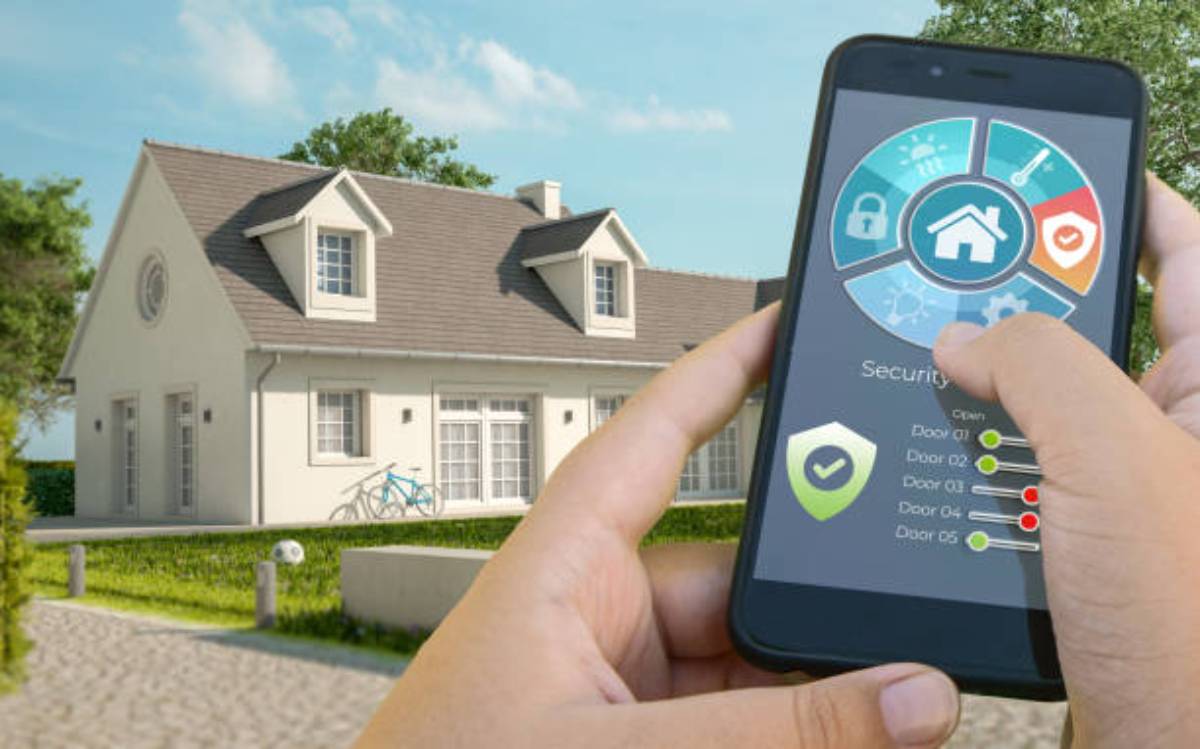
Smart homes are increasingly popular in American suburbs due to the convergence of technological advancements, changing lifestyles, and evolving consumer preferences. These homes offer enhanced security, energy efficiency, and convenience, making them attractive to modern homeowners seeking a seamless living experience. This article delves into the factors driving the adoption of smart home technology in suburban America.Introduction: The Rise of Smart Homes in Suburban AmericaIn recent years, smart homes have transitioned from luxury novelties to mainstream necessities, especially in suburban areas across the United States. Nearly half of American homes are now equipped with at least one smart device, with younger consumers—those aged 18-34 and 35-49—leading the adoption.The suburban shift, accelerated by the COVID-19 pandemic, has prompted many to seek homes that offer both comfort and technological sophistication. This trend is evident in cities like Ames, Iowa, which boasts a high density of smart homes per 1,000 listings.***What Makes Smart Homes Attractive to Suburban Homebuyers?1. Enhanced Security Features: Smart homes provide advanced security systems, including video doorbells, motion sensors, and remote monitoring capabilities. These features offer peace of mind, particularly in suburban neighborhoods where residents value safety and community well-being.2. Energy Efficiency and Cost Savings: Devices like smart thermostats and energy monitoring systems help homeowners optimize energy use, leading to reduced utility bills. Smart thermostats can learn household patterns and adjust temperatures accordingly, ensuring comfort without unnecessary energy consumption.3. Convenience and Automation: Automation of daily tasks, such as adjusting lighting, controlling appliances, and managing home security, simplifies life for homeowners. Voice-activated assistants and smartphone apps enable remote control, adding layers of convenience.4. Increased Property Value: Homes equipped with smart technology often have higher market values. Prospective buyers are increasingly seeking properties that offer modern amenities, and smart features can make a home more appealing in a competitive market.***How Are Suburban Communities Integrating Smart Technology?1. Smart Neighborhoods: Communities are developing infrastructure to support smart homes, including high-speed internet access and integrated energy solutions. These smart neighborhoods aim to provide sustainable living environments that cater to the technological needs of residents.2. Collaboration with Tech Companies: Partnerships between local governments and technology firms are fostering the development of smart communities. These collaborations focus on implementing solutions that enhance urban living, such as smart traffic management and energy-efficient public services.***What Are the Challenges in Adopting Smart Home Technology?1. Privacy Concerns: The integration of smart devices raises questions about data security and user privacy. Homeowners must be vigilant about the information shared with devices and ensure that their networks are secure.2. Compatibility Issues: With a plethora of smart devices available, ensuring compatibility between different brands and systems can be challenging. Standardization efforts are ongoing to address these issues and provide seamless integration.3. Initial Costs: The upfront investment for smart home technology can be significant. However, many homeowners find that the long-term savings and benefits outweigh the initial expenses.pidgino201a.jpg***Real-Life Examples of Smart Homes in Suburban AreasAmes, Iowa: This city is renowned for its high density of smart homes, featuring advanced technologies like holographic televisions and robotic assistants. The community's embrace of smart living reflects a forward-thinking approach to suburban development.Madison, Wisconsin: Madison has been recognized for its smart home listings, offering properties equipped with state-of-the-art technology. The city's commitment to innovation is evident in its real estate market, attracting tech-savvy buyers.***Frequently Asked Questions (FAQs)1. What are the most popular smart home devices in suburban areas? Smart thermostats, security cameras, voice assistants, and lighting systems are among the most sought-after devices. These tools enhance comfort, security, and energy efficiency.2. How does smart home technology increase property value? Homes with integrated smart features are perceived as modern and convenient, making them more attractive to potential buyers. This increased appeal can lead to higher sale prices.3. Are smart homes more energy-efficient? Yes, smart homes utilize technology to monitor and manage energy consumption, leading to reduced utility costs and a smaller environmental footprint.4. Can I retrofit my existing home with smart technology? Many smart devices are designed for easy installation and can be added to existing homes. It's advisable to consult with professionals to ensure compatibility and optimal setup.5. What are the privacy implications of smart home devices? Smart devices collect data to function effectively, raising concerns about data security. Homeowners should review privacy policies and secure their networks to protect personal information.6. Do smart homes save money in the long run? Yes, by optimizing energy usage and automating tasks, homeowners often experience lower utility bills and fewer maintenance costs over time.7. Which suburbs in the US have the most smart homes? Midwestern cities like Ames, Iowa, and Madison, Wisconsin, are leading examples, but the trend is expanding nationwide as smart technology becomes more affordable.8. How do smart homes benefit families? Families enjoy added security, convenience, and energy efficiency, along with automated routines that make daily life smoother.9. Are smart homes environmentally friendly? Many smart home devices focus on reducing energy consumption and minimizing environmental impact, supporting sustainable living goals.10. What future innovations are expected in smart homes? The next generation of smart homes may include AI-driven automation, integrated health monitoring, and fully energy self-sufficient systems.***Conclusion: The Future of Smart Homes in Suburban AmericaThe integration of smart technology into suburban homes is more than a trend; it reflects changing lifestyles and expectations. As technology continues to evolve, suburban communities are adapting to offer residents homes that are secure, efficient, and connected. This shift enhances the living experience while positioning suburban areas as modern, forward-thinking places to live.

Buying your first home can be both exciting and overwhelming. Navigating the real estate market requires careful planning, smart decision-making, and knowledge of the best strategies. Here are some key strategies to help first-time homebuyers make informed and confident purchases.1510a.jpgAssess Your Financial ReadinessBefore starting your home search, evaluate your financial situation. Check your credit score, calculate your budget, and determine how much you can afford for a down payment and monthly mortgage payments.Getting pre-approved for a mortgage will give you a clear understanding of your purchasing power and make you a more attractive buyer to sellers.***Research the MarketUnderstanding the local real estate market is crucial for finding the right home at the right price. Research property values, neighborhood trends, and future development plans in your desired area.Working with a real estate agent who has experience in your target market can provide valuable insights and help you navigate competitive conditions.***Make a List of Must-HavesDefine your home priorities by making a list of must-haves versus nice-to-haves. Consider factors like location, size, number of bedrooms, and proximity to schools or workplaces.Having a clear idea of your priorities will streamline your search and prevent you from getting sidetracked by features that aren’t essential.1510b.jpg***Be Prepared to NegotiateNegotiation is a key aspect of home buying. Be prepared to make a competitive offer while still allowing room for negotiation. Your real estate agent can guide you in making an offer that aligns with market conditions.Don’t hesitate to negotiate closing costs, repairs, or other terms that can make the deal more favorable for you.***Understand Additional CostsBeyond the purchase price, there are other costs to consider, such as property taxes, homeowners insurance, and maintenance expenses. Factor these into your budget to avoid unexpected financial strain.Consider working with a financial advisor to plan for these costs and ensure long-term affordability.***Take Your TimeBuying a home is a major investment, so don’t rush the process. Take your time to explore different properties, compare options, and conduct inspections to ensure you’re making a sound decision.A well-researched purchase will give you peace of mind and increase your chances of finding the perfect home.***ConclusionFor first-time homebuyers, a strategic approach is essential to making a successful investment. By assessing your finances, researching the market, prioritizing needs, and being prepared for negotiations, you can confidently navigate the home-buying process. With patience and the right guidance, purchasing your first home can be a rewarding and fulfilling experience.

Artificial Intelligence (AI) is transforming the real estate industry, streamlining processes, enhancing decision-making, and optimizing investments. From property searches to automated valuations, AI-driven technologies are reshaping how buyers, sellers, and investors approach the market. Here’s how AI is changing real estate.1509a.jpgAI-Powered Property ValuationAI has revolutionized property valuation by analyzing vast amounts of data, including market trends, comparable sales, and neighborhood insights. Automated Valuation Models (AVMs) provide accurate property appraisals, helping buyers and sellers make informed decisions.These AI-powered valuations reduce human error and offer real-time insights, ensuring competitive pricing strategies and fair market value estimations.***Smart Property Search and RecommendationsAI-driven search engines personalize property searches based on user preferences, budget, and location. Machine learning algorithms analyze browsing patterns to suggest properties that match buyers' interests, making the search process faster and more efficient.Virtual assistants and chatbots powered by AI also help streamline inquiries, offering instant responses to potential buyers and renters.***AI in Predictive Market AnalysisPredictive analytics powered by AI helps investors and realtors forecast market trends, property appreciation, and demand fluctuations. AI examines historical data, economic indicators, and regional developments to provide insights into future real estate movements.This technology allows investors to make data-driven decisions and identify profitable opportunities before they become mainstream.1509b.jpg***Automated Property ManagementAI-driven property management platforms simplify tasks such as tenant screening, rent collection, and maintenance scheduling. By automating these processes, property owners can save time and reduce operational costs.AI also enhances tenant experiences by predicting maintenance needs and optimizing energy efficiency in smart homes and buildings.***Fraud Detection and Risk AssessmentAI plays a crucial role in detecting fraudulent activities in real estate transactions. Advanced algorithms analyze financial records, legal documents, and market data to identify red flags and prevent scams.By using AI-powered risk assessment tools, lenders and investors can mitigate potential losses and ensure secure transactions.***The Future of AI in Real EstateAs AI continues to evolve, its role in real estate will expand even further. From blockchain integration for secure transactions to AI-driven smart contracts, the industry is poised for even greater efficiency and transparency.The adoption of AI in real estate is not just a trend but a long-term transformation that enhances decision-making, improves customer experiences, and maximizes investment potential.***ConclusionAI is reshaping the real estate landscape by offering advanced solutions for buyers, sellers, and investors. From automated valuations to predictive analytics and smart property management, AI-driven innovations are revolutionizing the industry. As technology progresses, embracing AI will be key to staying ahead in the ever-evolving real estate market.